
A lot of people have been asking me if I will be making the change to a mirrorless camera. Well, I already use a Panasonic Lumix camera for video, and I’m very happy with it. But for my still photography, I am still a Canon APS-C user with a variety of lenses, and a couple of bodies, with which I am still quite happy, and know inside out.
Evf’s, or electronic viewfinders are now very good indeed, and very capable of replacing an optical viewfinder, although I must say that for me, it’s just not quite the same as a true optical image that you get with a dslr. The advantage for video shooting with a mirrorless camera is, of course, enormous, and that’s why I have the Panasonic Lumix mirrorless. But the advantage for still photography is…well…what is it exactly? The answer is not blatantly obvious, but size is the major one, certainly. And that is also one of the reasons why I’m in no hurry to change. I didn’t feel comfortable with the Sony A7 (Mk 1) I tried a few years back…it was too small, and in order to make it comfortable for me, I would have had to add a grip. Coupled with the limited range of lenses, which were very expensive at the time, it just didn’t make the grade, and so I went for the Canon EOS 7d2, which did, and still does, everything I need and want. Now, I am so familiar with that camera, and exactly what it will produce for me, that I’m not ready to make the change.
So what would I gain if I spent the thousands of dollars necessary to change my system to mirrorless full-frame.
Improved Dynamic Range. Most likely, yes. Most of the recent cameras have a better dynamic range than my existing cameras. But…when I feel I need better dynamic range, (and I do check my histograms all the time), I frequently bracket my images and combine them in post, obtaining better dynamic range than any current camera is capable of. Often, I bracket my exposures and take multiple shots in a panoramic image, and I’d still do that if I had, say, a Canon EOS R5 too.
Improved Resolution. Most likely, yes. Most of the more recent cameras have a higher megapixel count. But…I don’t feel that my images are suffering from a lack of resolution. A lot of images I make are multiple shots, and end up being more than 100 megapixels anyway once they are combined in post. And the 20 Megapixels I currently have is very adequate for screen display and prints up to 20 x 30 inches and beyond.
Better Low Light performance. Yes, and this is a biggie. Bigger sensors have bigger pixels, and bigger pixels are better at catching light than smaller pixels, so larger sensors have an undeniable advantage. I have a hankering for a medium format system because of this, but unfortunately not the very deep pockets to fund the $30,000 dollars plus that would be required to create a system in that arena, such as the Fuji GFX-50R or better, the GFX-100S.
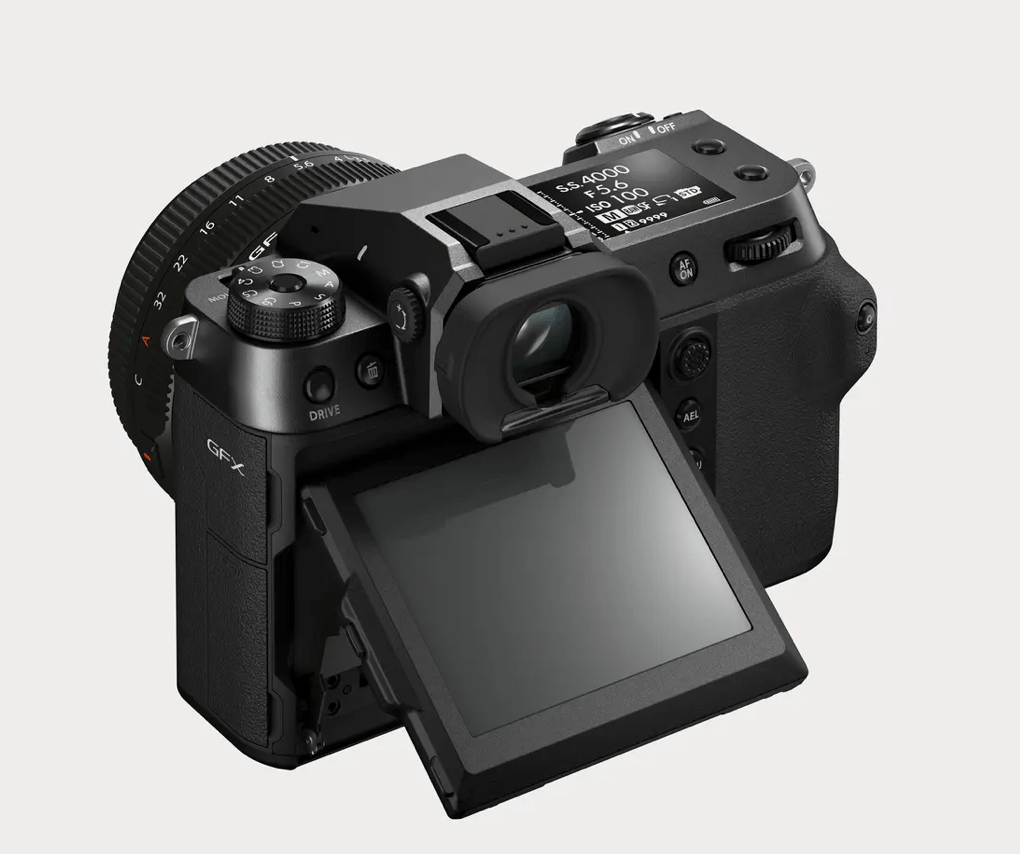
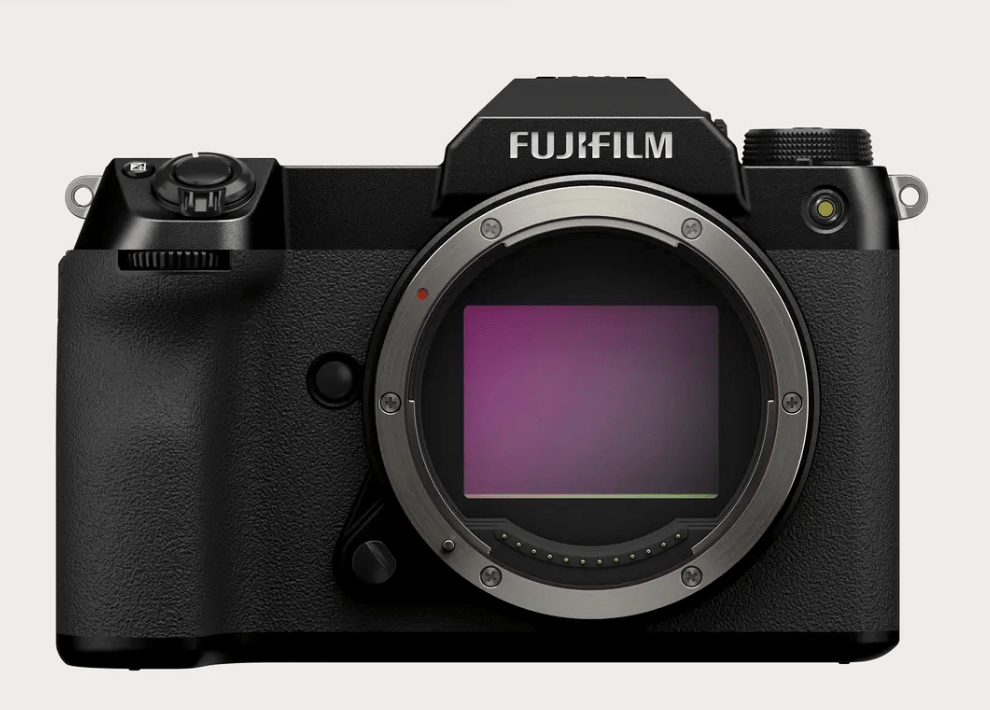
The system I currently have is adequate for the type of photography I do. I must also add that I keep seeing other photographers shots where the image is clearly underexposed in camera (do they ever use the histogram I wonder), and the shadows are dragged up in photoshop creating a pretty poor image although you can’t always see that if you view the image on a cellphone. But try viewing on a larger screen or have a look at a 10 x 12 or larger print and you won’t be so pleased with it, I guarantee.
Better Autofocus. Many of the latest camera models have much improved autofocus technology over my five year old camera design. And it is wonderful. The AF on my Canon EOS 7d2 is stunning already. But in truth, I, like all professional photographers, don’t rely on autofocus anyway. I tell the camera where to focus, and I tell it precisely. I don’t trust it to tell me where it wants to focus. I understand that a group of people three people deep will not work if I want to shoot at F1.8, and I don’t want my camera trying to pretend to me that it can simply because it recognises several faces at different distances. Because I know that it can’t. You can focus on one plane at a time, that’s a scientific fact. If your subject is deep, then you must accomodate that depth by placing your subjects in a zone of acceptable sharpness. And if you don’t know how to do that, you should learn…because it is very important.
The thing that would make the difference to me, and encourage me to change to a full frame (or larger) format, would be if I did people photography, such as weddings or portraiture. I do occasionally shoot people, although it’s not something I enjoy, but my years of experience in photography and my technical proficiency allow me to produce the required result. I’ve also had the opportunity to work with two professional photographers recently, both using Canon APS-C systems, and their work is keeping their clients very happy.
And so, in answer to the question will I change to a mirrorless full-frame system, yes, but I suspect not for some time yet. If I change tomorrow, my equipment will be superseded within a couple of years. When I start to see images that I can’t match with my current set up…then that will be the time. But it might also be the time when I decide to go medium format digital? Because perhaps, by then, the “full frame” sensor won’t be enough for me?
Just another though. A photographer who’s YouTube channel I watch often is Gary Gough. I like Gary’s photography, and he recently posted a video testing a Canon R6, and wondering if he should upgrade his five year old Canon EOS 5d Mark iii. Watch the video…the results might surprise you. https://www.youtube.com/watch?v=1Azo3fIoTTI
Take care, take pictures, and enjoy.
 Shoot The Adventure